
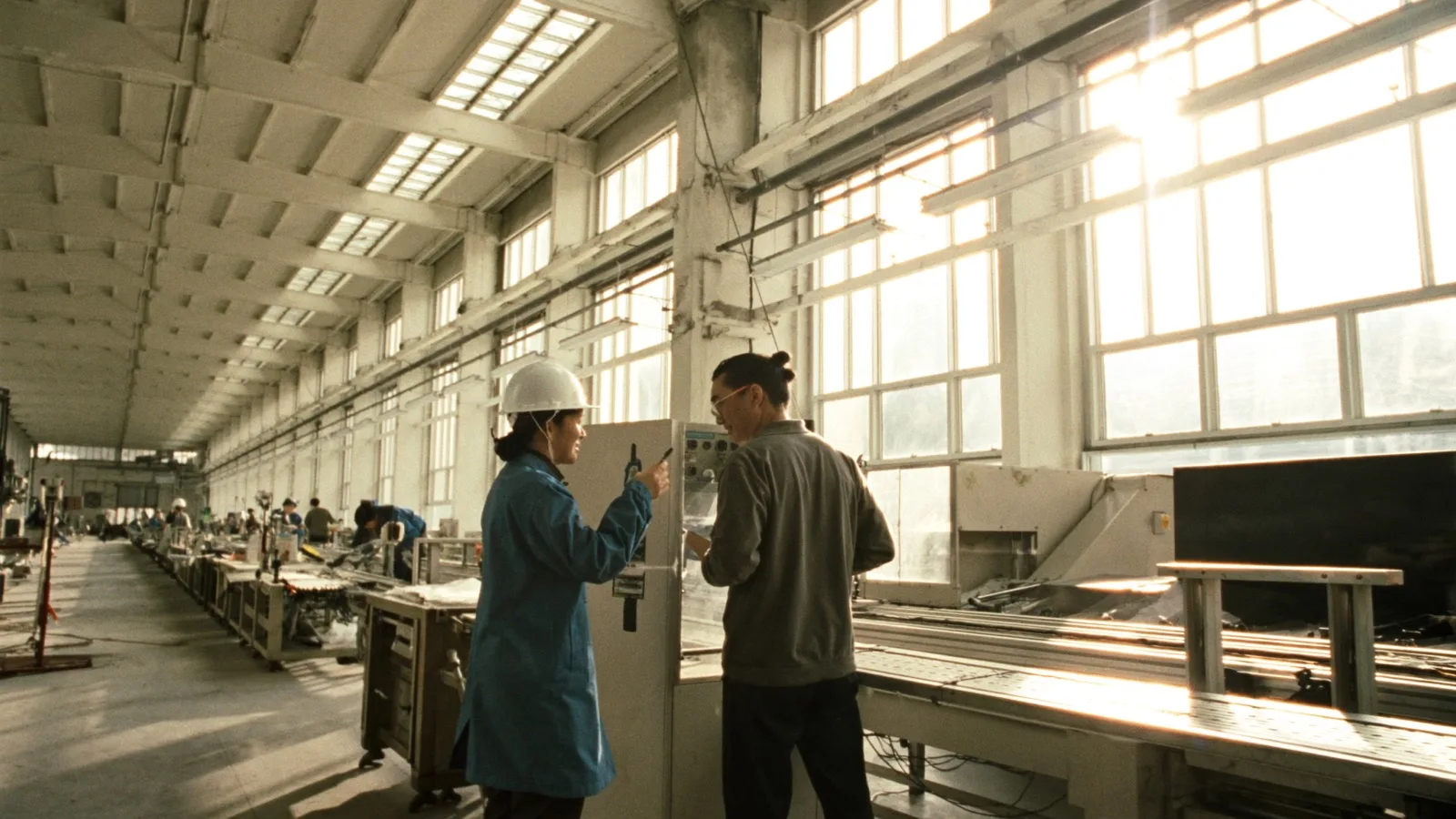



We turn your company into an AI-driven business.
We design and build internal applications, digital products, and AI solutions around the way your business works.
Organizations we have worked with
















An AI-driven company
starts with rethinking the work.
Where does your workflow sit?
work moving.Manual operations
People carry the process
Your people move
every step by hand.
Your team gathers information, decides what happens next and moves each request between tools.
What to do next
Make the steps and exceptions visible.
One customer request
Customer request
A question arrives
Person does the work
Finds context, decides, replies
Answer sent
The next request starts again
Knowledge and coordination sit with people.
People make and carry out every decision.
time back.AI-assisted people
AI helps with a task
AI helps your people.
They still move the work.
AI drafts, summarizes and checks. People supply the context, review the output and move it to the next tool.
What to do next
Connect the context and the handoffs.
One customer request
Customer request
A question arrives
AI drafts a reply
A person supplies the context
Person checks + sends
The handoff is still manual
The task is faster, but people still hand it over.
People check the output and decide what to do.
between teams.Connected workflows
Systems carry the context
The right context
reaches the right team.
Connected tools bring customer information, rules and previous answers into the workflow. People spend less time chasing them.
What to do next
Define which cases AI can handle safely.
One customer request
Customer request
Arrives with a customer ID
Tools gather context
Records + rules + past answers
Person decides + replies
The next team sees the update
Context travels with the work.
People handle the judgment. Systems handle the handoffs.
People lead.Coordinated operations
AI handles agreed cases
Routine work runs.
People stay in control.
AI handles routine cases within agreed rules. People approve sensitive actions, resolve exceptions and monitor the results.
What to do next
Capture what each resolved case teaches you.
One customer request
Customer request
Checked against agreed rules
AI resolves routine cases
Uses approved context + actions
Case resolved
The outcome is recorded
↓ Exceptions or sensitive actions
Person reviews + approves
People set the limits and own the outcome.
for new work.Adaptive business
Learning changes the business
Each improvement
helps the next.
Teams reuse what works across connected processes. People use the resulting capacity and insight to improve services and offer new ones.
Keep improving
Choose the next opportunity using real outcomes.
One customer request
Resolved request
The outcome is reviewed
Shared knowledge
People validate useful learning
Better next response
Support, sales and operations
People use recurring patterns to improve the service.
People shape the business and approve what changes.
Different workflows can sit at different stages. Start where the change matters most.
Start with one important workflow.
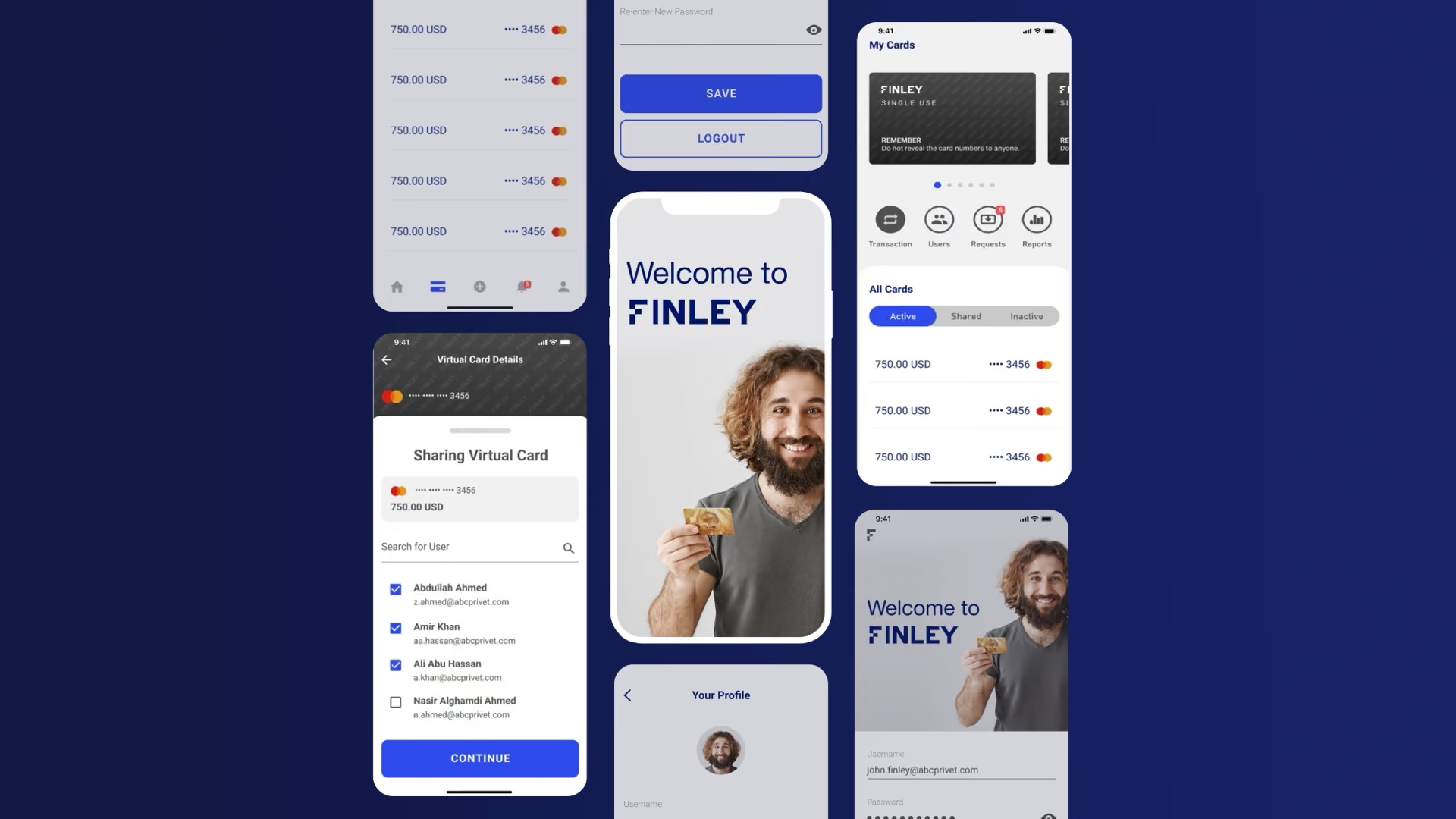
Since 2010, we’ve helped 160 partners transform their businesses through software and technology, including Allegro, GLS, Remote and Zumba.
On the first call, we show you which step to start from.
Why now
The cost of waiting
shows up every month.
Your team copies data, chases updates and fixes the same mistakes. Each delay keeps that work on their plate.
Fix one workflow. Carry what you learn into the next.
What you keep paying for
Copying between tools
Capacity spent on manual work
Chasing handoffs
Decisions and delivery held up
Fixing repeat errors
Time spent doing the work again
Relearning old answers
Knowledge rebuilt from scratch
Start with one workflow.
Measure the repeat work.
Each improvement gives
the next a head start.
Progress that compounds
Solve it.
Solve it again.
And again.
Conceptual illustration
Why revisit the work now
88%
Another round of cost-cutting.
of surveyed leaders planned another G&A cost program. 93% had recently run one.
Bain / March 2025≈3×
High performers rethink workflows.
AI high performers were about three times as likely as other respondents to report fundamentally redesigning workflows.
McKinsey / August 202625%
Speed is only the first step.
of surveyed organizations were using AI to deeply transform their business.
Deloitte / October 2026To turn what your organization learns into better ways of working, you need people who set direction, AI that works inside your processes, and knowledge the whole business can build on.
Shared knowledge
Put company knowledge in the tools people already use, so people and AI act with the right context.
Connected processes
Rethink how work moves across teams. Define the steps, decisions and exceptions before automating them.
Adaptable systems
Connect and evolve your software so your team can understand, own and change the way it works.
Clear ownership
Give people the skills and authority to lead the change. Make clear what AI can do and who owns the result.
Not sure which one is missing?
Book a free diagnosisWho we are
Business expertise
meets the
people who build.
Your people know the business. We help turn that knowledge into software they can use every day.

We bring business, product, and engineering expertise together to build internal platforms and digital products around how your people work and decide.
Your domain knowledge.
Our implementation expertise.
We work alongside the people who know your rules and where the exceptions are.
AI-first thinking.
People at the center.
We rethink what is possible with AI, then choose what fits. Your people shape the change, with clear responsibilities and human oversight.
Have a workflow in mind?




Built from inside the work


In our clients’ words
What clients say about working with us.
“
There is a difference between an engineer and a product engineer. We wanted engineers, and we got product engineers, which is very helpful in this case.
“
They seamlessly integrated into our development process, providing not just technical skills but also a sense of ownership over the project.
“
Appunite created our first widely used app. It’s a high-profile product for Zumba and customers are satisfied with the end result. They executed the project within our vision and pleased company stakeholders in the process.
Ask us how these engagements ran.
Book a callPlatform & Product Development
Software built around the
way your business works
Start by deciding what should change. If custom internal software is the right route, Platform Delivery Team carries the agreed implementation through rollout and prepares your team for ownership.
Platform Delivery Team
Custom internal software
for critical workflows
When a critical workflow outgrows your tools and you have no engineering capacity available for it, Appunite engineers work alongside your people to understand the work, build and refine software in everyday use, and prepare your team to run it and take its development forward.
Handover is planned from the start, with code, documentation, knowledge transfer, and agreed support to prepare your team for ownership. You can continue working with Appunite; readiness does not require ending the relationship.
One defined engagement, priced and accepted one milestone at a time.
Explore Platform Delivery TeamStart here
Implementation Discovery
Decide what to change before committing to a build. Implementation Discovery is a paid, bounded engagement. You receive an Implementation Report explaining the route we recommend and why. The recommendation may be to improve existing software, build something new, or leave things as they are. You own the report whichever route you choose. It sets out the scope, risks, dependencies, and commercial assumptions behind the recommendation, so you can assess what proceeding would require.
Together with your domain experts and technical co-owner, we clarify the access, participation, and decisions implementation would require, including who will run and maintain the software afterwards.
Explore Implementation DiscoveryLooking for something else?
“We have a product to build and no team to own its delivery.”
“Our AI pilot works in a demo, not with real data and controls.”
“We need more engineers on a product we already run.”
Team Augmentation adds engineering capacity while your team keeps product and delivery ownership. Specialists in Elixir, iOS, Android, Flutter, web frontend, and product design.
Not sure which fits?
How you start
Start with one important workflow.
01 / Free
Free diagnosis
A call about one workflow: what it should achieve and where it stalls. You leave knowing whether a workshop is worth doing. If another route fits better, we say so.
02 / Paid, then credited
Domain Modeling Workshop
From €7000. We map the domain with your experts and fix the scope. You own the implementation plan, whoever builds it. The fee is credited against the first milestone.
03 / Pay on acceptance
Fixed-price milestones
Each milestone is priced before its work begins. You pay after you accept it. A change of scope is repriced before the work starts.

04 / Yours
Handover
Code, access, documentation, and training go to named owners on your team. Continuing with us is optional.
Is this for you?
A fit when
- One workflow matters to the business and has outgrown its tools.
- A functional owner and a technical co-owner are named.
- The initiative is funded and has a deadline or a cost of delay.
- Your users and domain experts can take part.
Not a fit when
- You are still validating a first product.
- A standard product or a simple integration solves it. We will tell you.
- You want engineers to direct yourself. That is Team Augmentation.
- The lowest price is the only criterion.
Sounds like your situation?
Book a free diagnosisOur platform
We bring a platform as well as a team.
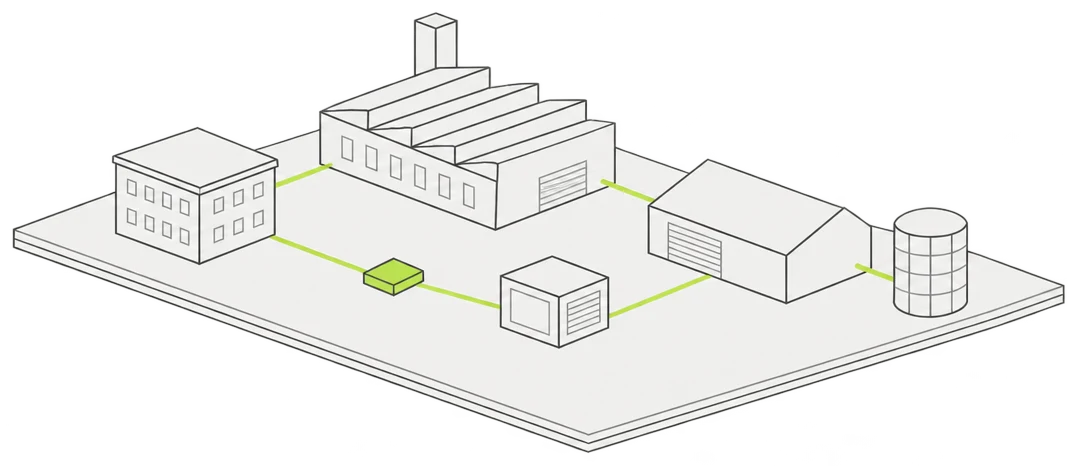
Building software is getting cheap, and keeping it under control is getting harder. As your teams make more of their own tools with AI, someone has to know what each one is meant to do, what it can access, and whether it still works as agreed. We build on a foundation that answers that.
01
Governed from day one
A description of the work your people can read, connected to the software, its tests, who may change it, and evidence of how it runs.
02
Knowledge that stays
Company context and operational evidence in one place, so leaders see the gap between what was intended and what happened.
03
Progress that carries forward
The next workflow builds on the same foundation and what the first one taught us, instead of starting again.

EmpoweredHouse
Questions
Questions before the first call.
Not covered here? Ask us directly.
Book a free diagnosis →Sharing this with your CFO or CTO? Get the one-page brief →What happens in the free diagnosis?
A consultant looks at one workflow with you: what it should achieve, where it stalls, and who is involved. You leave knowing whether a Domain Modeling Workshop is worth doing and what it would cover. If another route fits better, we will say so.
How much does it cost, and how long does it take?
The diagnosis is free. A Domain Modeling Workshop starts from €7000, and its fee is credited against the first milestone. After that, each milestone is priced before its work begins, and you pay after you accept it.
Is our data safe with you?
We review access, data sensitivity, security requirements, and responsibilities with your team before agreeing the implementation.
What if people keep working the old way?
Users help test real tasks. Rollout, training, and feedback support adoption, which remains a shared responsibility.
We have our own engineers. Can you work with them?
Yes. That is usually where this works best: we work with them, decide architecture jointly, and leave the code with your team.
Do we need EmpoweredHouse to work with you?
No. We choose technology around your needs and existing systems. You do not need EmpoweredHouse to work with Appunite, and you can buy EmpoweredHouse without an Appunite engagement.
Prefer to read first?

Bring us the
work you want
to change.
You do not need a specification or a chosen solution. Bring the workflow, the people who understand it, and what better would look like. We will help you frame the problem and agree on the next step, even when that step is not a project with us.
Built from inside the work.